
By niche
Culture creators in New Zealand
Culture is where New Zealand content gains depth. Rotorua's Māori cultural experiences are shared by Māori-owned and iwi-led operators, Te Papa explains the country's Māori, Pacific and settler history, and Auckland's volcanic cones are ancestral mountains with their own stories. Good culture content listens first, credits the people and follows their protocol.
What culture content can I make in New Zealand?
Culture is where New Zealand content gains depth, and the strongest pieces come from listening first. Māori culture is living culture, shared on its own terms, and the country's Pacific, settler and migrant histories sit alongside it. These destinations on this site suit culture channels:
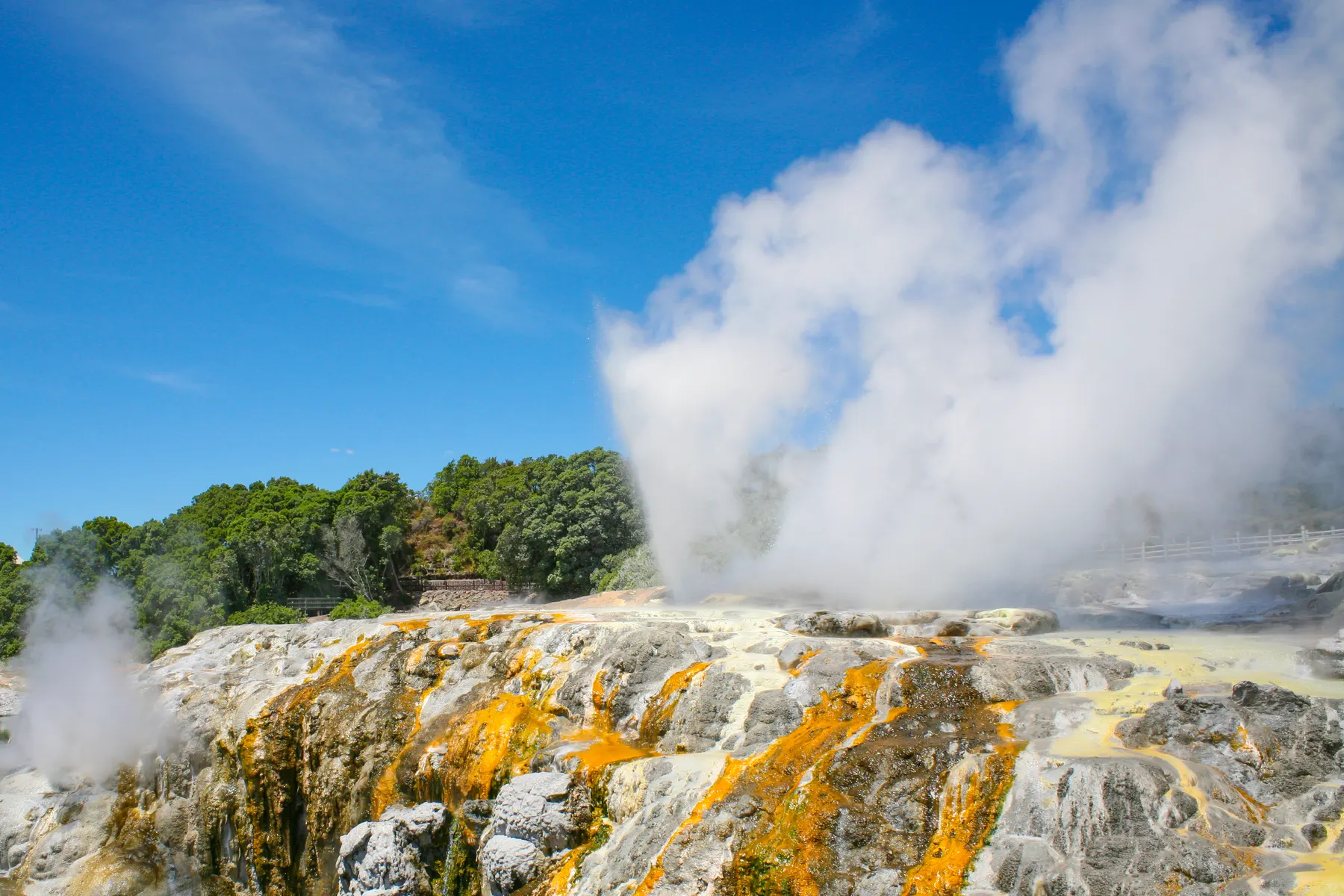
- Rotorua: an evening Māori cultural experience with a hāngī, shared by Māori-owned or iwi-led operators, on the geothermal day and cultural evening.
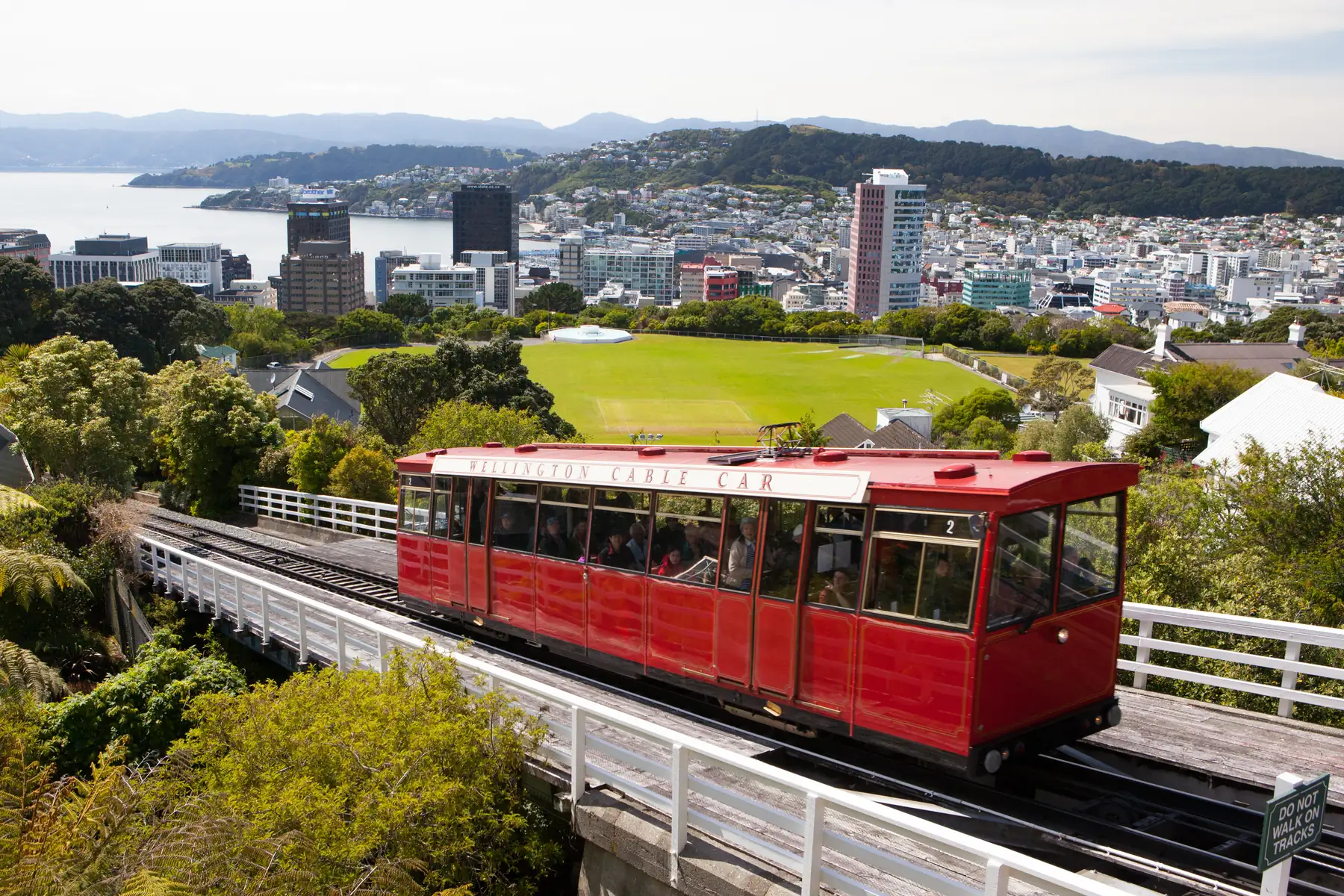
- Wellington: Te Papa Tongarewa, the national museum, on the Te Papa, cable car and Cuba Street day.
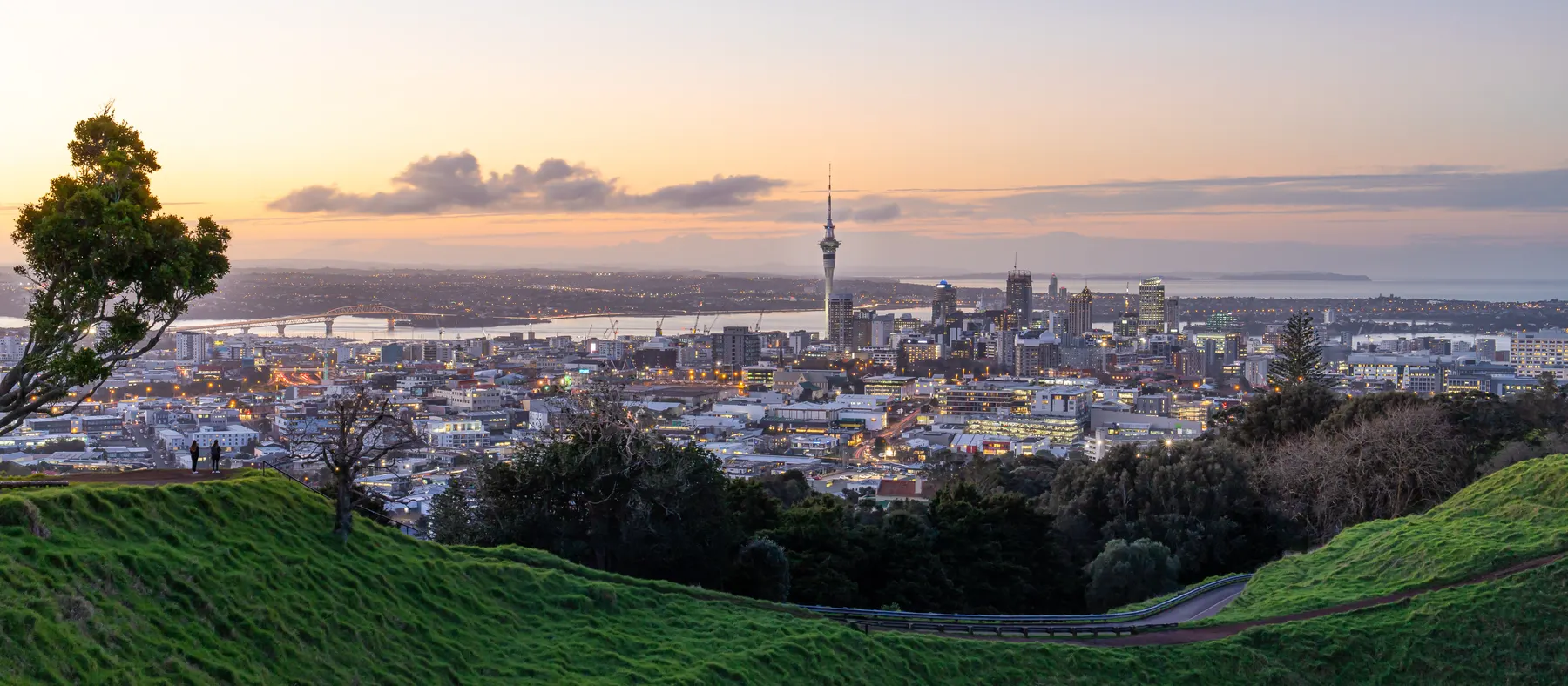
- Auckland: the tūpuna maunga, Auckland's ancestral mountains, and the Auckland War Memorial Museum.
- Queenstown: Arrowtown's gold-rush history and its Chinese settlement.
- Aoraki / Mount Cook: the mountain as an ancestor of Ngāi Tahu.
Etiquette, tikanga and filming rules
You are a guest, and the hosts' tikanga (protocol) decides what can be filmed.
- Follow the hosts' instructions during a welcome, ask before filming people and stop whenever you are asked.
- Inside a wharenui (meeting house), shoes come off and filming is often not allowed. Ask first.
- Wāhi tapu are sacred or restricted places. If a place is described as tapu, put the camera down.
- Do not imitate a haka, wear moko-style face paint or treat cultural elements as costume.
- Credit the people and iwi you film by name where they agree.
Which content angles work?
- Let hosts speak: their words, their names, their framing.
- Language: use te reo Māori place names correctly, with macrons: Tāmaki Makaurau, Te Whanganui-a-Tara, Piopiotahi, Aoraki.
- Context: Te Papa and Auckland Museum give the history that makes the rest of a series make sense.
- Living culture: present Māori culture as present-day, not only historical.
Will Explera check my facts?
We never pre-approve your content, but we may ask for a factual correction if a name, place or cultural detail is wrong. Explera never provides flights, cash fees, visas or travel insurance.
When is the best time for culture content?
Culture content works all year, because cultural evenings and museums are not seasonal. Matariki, the Māori New Year, falls in mid-winter, usually in June or July, and is a public holiday; it is a meaningful time to visit, but its events belong to their communities, so ask before filming. Waitangi Day, on 6 February, marks the signing of Te Tiriti o Waitangi and is a day for listening rather than performing.
Which shots work best?
- Hosts speaking in their own words, framed with their agreement.
- Carving, weaving and architecture where filming is allowed, with the maker or place credited.
- Landscape that carries a story, such as a tūpuna maunga at first light, told with its name and meaning.
How do I apply?
Tell us on the application how you cover culture and what your audience wants to understand. See the programme for the tiers.
Ready to apply?
The application saves as you go, and every applicant hears back within 5 business days.
Updated